About
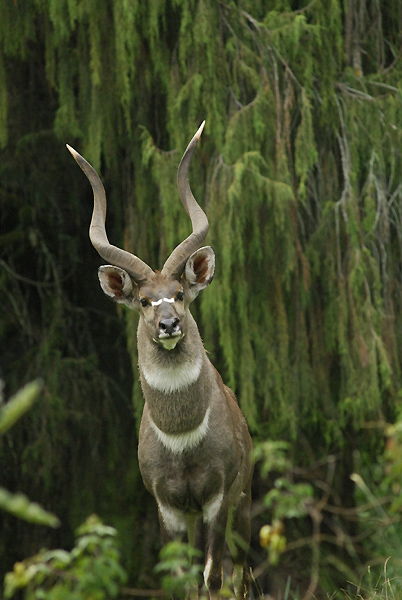
Wild Mammal Animals
MWMTCC studies terrestrial wildlife as part of wider ecological systems and supports conservation education that links habitat health, farming landscapes, and biodiversity.
BrowseWildlife focus
Wild Mammal Animals.
Wildlife is an integral part of the natural ecosystem and contributes significantly to human, national economies, environmental protection and global development. Each wildlife species has its own habitat, characteristics, role in the food chain and important services it provides to nature.
1. Habitat of Wildlife
Wildlife species live in different environments depending on their species.
Forests – lions, leopards, monkeys, birds, wild boars.
Savannas and grasslands – elephants, giraffes, wildebeests, gazelles, antelopes.
Mountainous areas – hyenas, Ethiopian jackals, baboons.
Rivers and lakes – hippos, crocodiles, waterfowl.
Desert areas – hyenas, jackals, desert birds and reptiles.
These habitats provide food, water, shelter and breeding grounds.
2. Behavior of Wildlife
The behavior of each species varies.
Some live in groups; others live alone.
Some are herbivores, others are carnivores, and others are omnivores.
Their reproductive, locomotor, and defense systems are adapted to their environment.
3. Importance to Humans
They maintain the balance of nature.
They naturally control pests and harmful animals.
They provide valuable information for medical and scientific research.
They are useful for education and nature study.
They are a great asset for recreation and eco-tourism.
4. Economic Benefits
They generate significant foreign exchange earnings from tourism.
They create many jobs in parks and protected areas.
They encourage hotels, guides, transportation, and other tourism services.
5. Environmental Benefits
They balance the food chain.
They support plant growth by helping to disperse seeds.
They indirectly protect soil and water sources.
They help to preserve biodiversity.
6. Their importance to Ethiopia
Ethiopia is a country with unique species such as the walya, the Ethiopian fox, the gelada monkey, and others that are found only in the country. These animals represent the country's natural heritage, attract tourists, increase economic income, and promote the country's landscape to the world.
7. Their importance to the world
They protect the world's biological diversity.
They support natural ecosystems in the fight against climate change.
They are an irreplaceable resource for scientific research, medicine, and education.
They support sustainable development and nature conservation.
8. What the community should do
Prevent illegal hunting.
Protect forests and natural habitats.
Comply with nature conservation laws.
Raise public awareness of conservation.
Support national parks and conservation programs.
Conclusion
Wild animals are not only natural resources, but also creatures that play a vital role in human life, national economies, environmental protection, and global sustainable development. Therefore, it is the responsibility of all of us to protect their habitats, prevent illegal hunting, use natural resources sustainably, and educate society. Protecting wild animals means protecting the future of human life, the development of the country, and the natural balance of the world.
Key themes
We present reliable information on habitat change, movement, human-wildlife interaction, and the value of coexistence in rural and conservation settings.