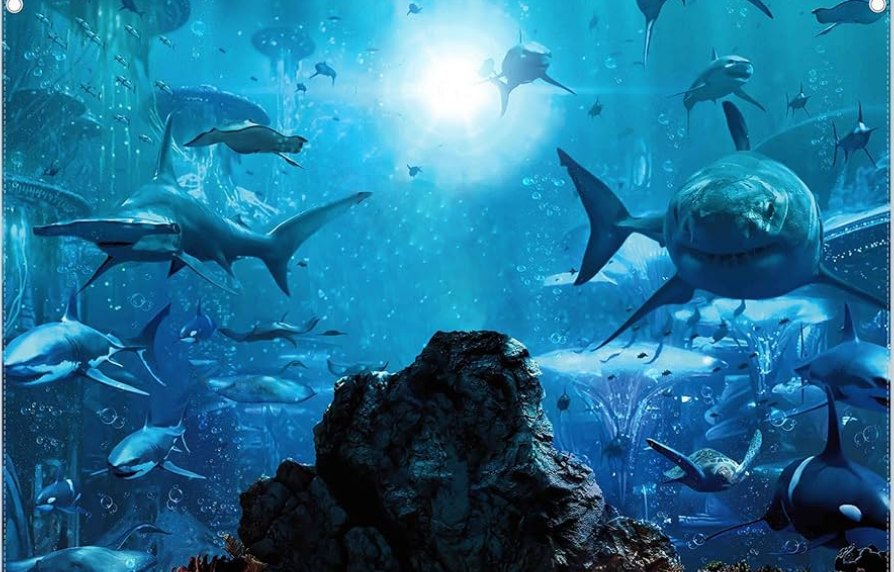
Migration Maps
Track seasonal whale routes, seal haul-outs, dolphin ranges, and sirenian warm-water refuges.
Priority 2 · Marine Mammals
Explore dolphins, whales, seals, sea lions, walrus, manatees, and dugongs through species cards, migration learning, conservation threats, research, videos, and gallery resources.
Marine mammals
1. What are marine animals?
Marine animals are creatures that live in the ocean, sea, coral reefs, and other saltwater environments. Among them are:
Fish
Whales
Dolphins
Sea Turtles
Octopus
Sharks
Crabs
Shrimp
Lobster
Starfish
Seahorses
2. Benefits of Marine Animals
They provide healthy food (protein, omega-3, and vitamins) to humans.
They are a source of employment and income for many people.
They balance the marine ecosystem.
They generate significant revenue in the tourism sector.
They are useful for scientific research and drug development.
They help other organisms survive by maintaining the marine food chain.
3. What society needs to do
Reduce marine litter and plastic pollution.
Prevent illegal and overfishing.
Protect marine habitats.
Protect marine animals from illegal trade and hunting.
Educate the public about marine conservation.
Respect and enforce marine conservation laws.
4. Conclusion
Marine animals are essential for humanity, the economy, food security, and environmental balance. Therefore, protecting them is a shared responsibility of governments, organizations, and every citizen.
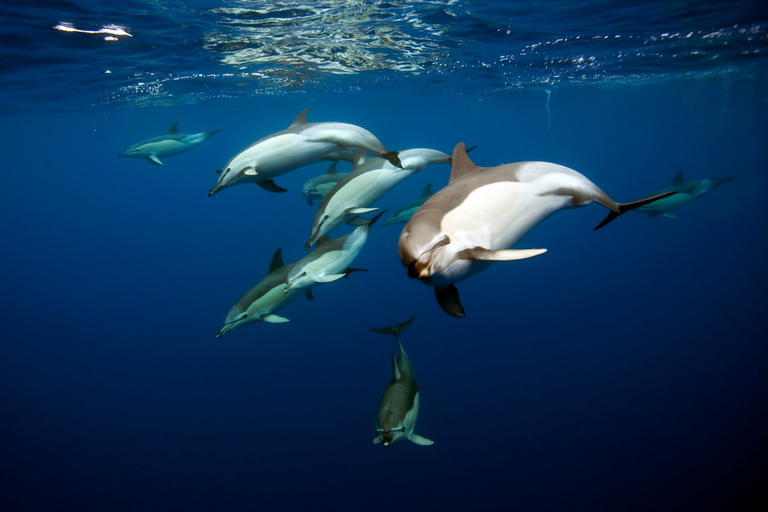
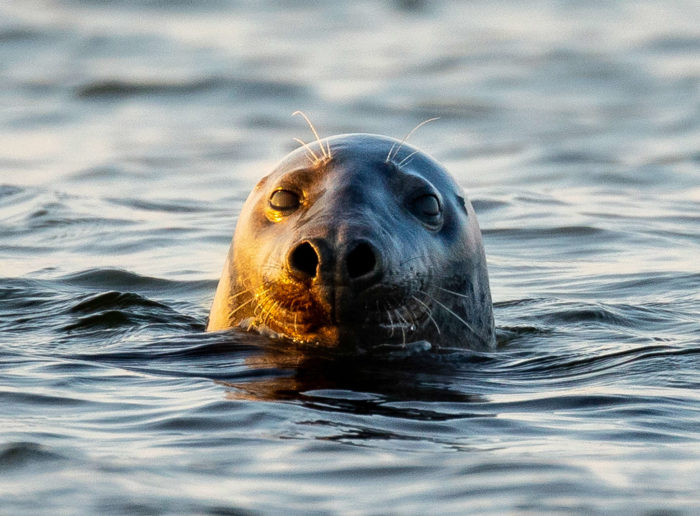
Track seasonal whale routes, seal haul-outs, dolphin ranges, and sirenian warm-water refuges.
Rescue networks, acoustic monitoring, ship-speed guidance, protected areas, and community science.
Entanglement, vessel strikes, ocean noise, warming seas, prey shifts, and long-term monitoring.